Returning Right Way Water to Taungurung Country

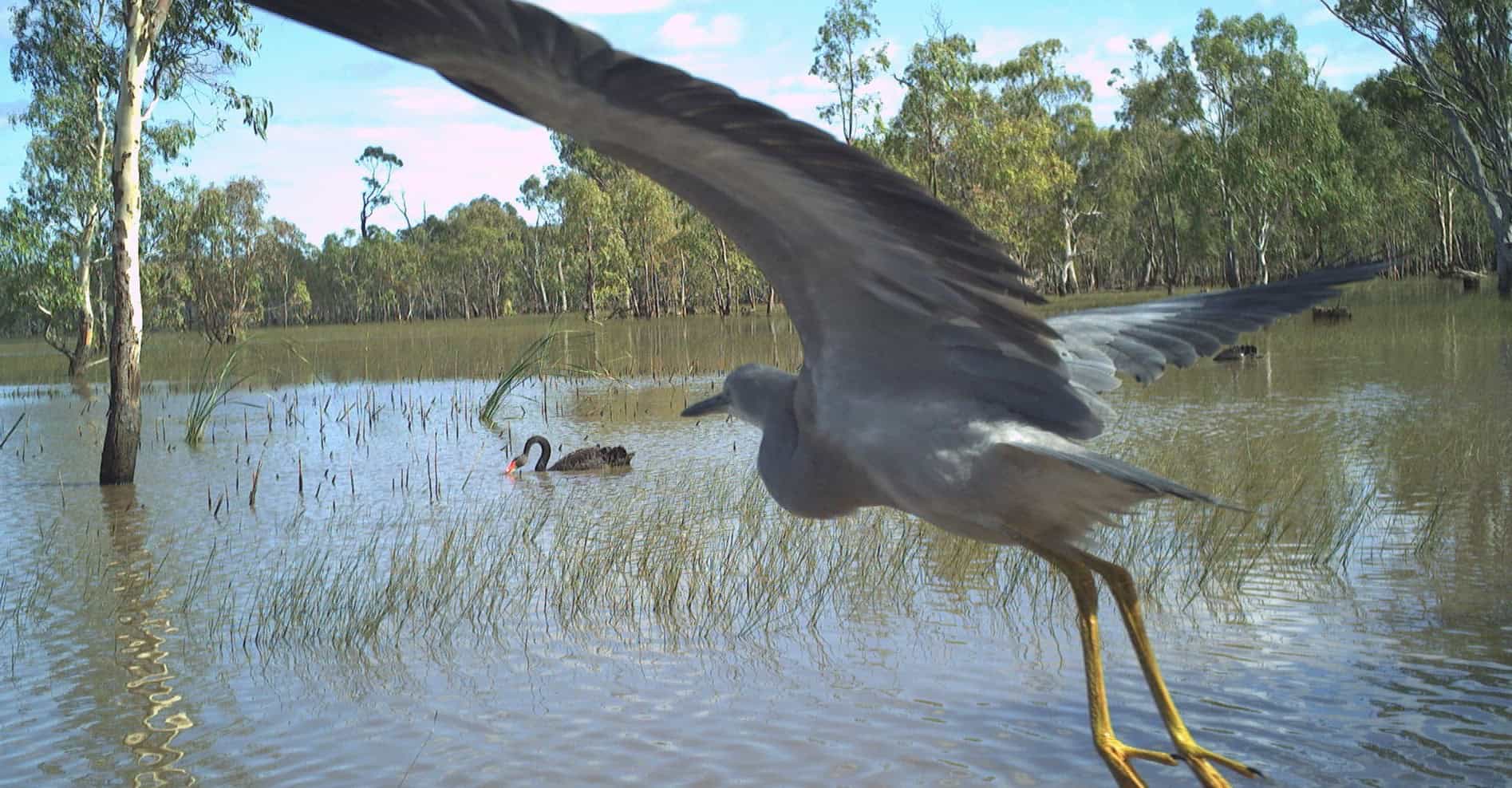
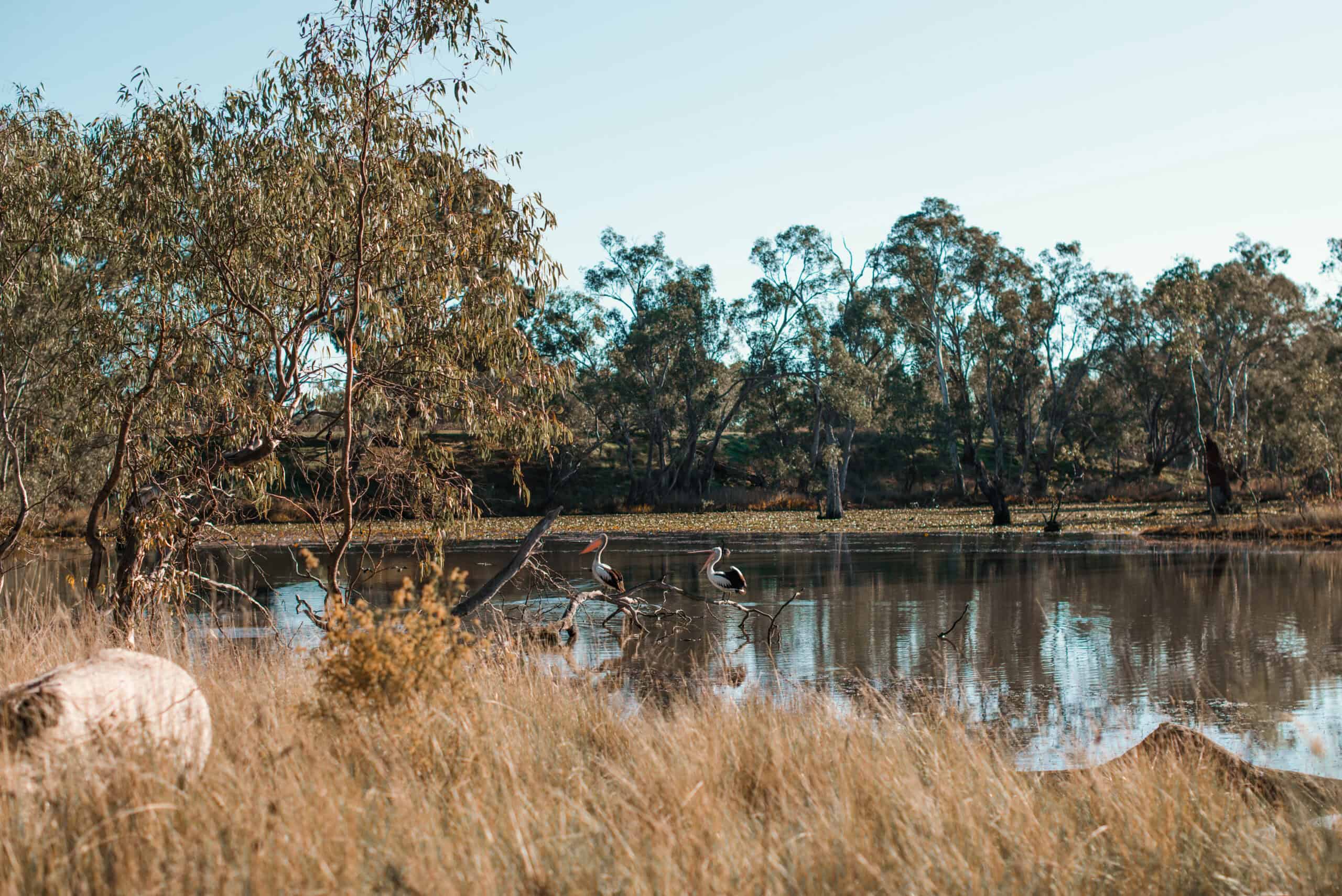
The Waring (mid-Goulburn River) is defined by the many hundreds of wetlands, billabongs and lagoons that spread across its flood plain. These have formed over many thousands of years, as the living river has changed course over time, leaving depressions that fill with water when the river floods in the high flows that come in winter and spring. This water brings life to the wetlands, which provide nursery grounds for fish, and rich nesting and feeding places for countless water birds. The wetlands are also the lungs and kidneys of Waring, helping slow and filter flood waters, and retaining water in the landscape to support all life.

Taungurung people have always had a strong connection to these wetlands. They provided important places to gather, collect the many food and medicine plants, fish and hunt the game that thrive in the wetlands, and conduct ceremony. They are the lifeblood of Taungurung Biik (Country).

However, since the construction of Lake Eildon in the 20th century to harness the flows of Waring for irrigation, natural floods are no longer able to regularly nourish the floodplain wetlands. Many wetlands have dried out, or receive unseasonal high flows in summer which upset the balance of Country. In some places billabongs remain visible only as low points in the landscape.

Taungurung have been working to heal the wetlands of Waring. In 2017, the Taungurung community came together to carry out the first Taungurung Aboriginal Waterway Assessment, which visited many of these places. A key cultural objective identified was the need to return water to Horseshoe Lagoon, near Trawool, an important cultural place. This billabong now only receives water in very high flood events, and had been dry for some years, becoming choked with weeds.

This first assessment also led to the formation of Baan Ganalina (Guardians of Water), the Taungurung water knowledge group, with the goal of allowing Taungurung elders, knowledge holders and community members to speak strongly for Baan (water) on Country.

By working with Goulburn Broken Catchment Management Authority and Parks Victoria, Taungurung Land and Waters Council and Baan Ganalina were able to first return water to the lagoon in 2019, through the delivery of an “environmental flow” by pumping water from Waring. Water has been delivered to the wetland regularly since then, alongside other activities to heal and care for the wetland, including planting of aquatic plants, and management of weeds. Turtles, including the endangered broadshell turtle, and a variety of water birds now thrive at the site. Food and medicine plants are returning alongside thriving wetland vegetation. Most recently, Baan Ganalina, TLaWC and the Taungurung rangers have built a floating “turtle island” that will allow turtles to build their nests away from the risk of their eggs being raided by foxes. The island was launched in late 2024 just in time for the nesting season of the Macquarie River turtle, and trail cameras have recently recorded hatchlings leaving their nests on the island.

Baan Ganalina continue to work ever more strongly to care for the wetlands of Taungurung Biik. The return of “right way water” – water at the right time, in the right amount and of the right quality – is a key priority. While Taungurung continues to advocate strongly for a change in the way the rivers are managed so that Waring can increasingly flow the right way, this is a long journey that will require significant changes in how people live and make their living on the river. But there are things that can be done now, to pave the way. Baan Ganalina is currently working on restoring right way flows to Molesworth Billabongs, also on Waring, as part of a project with the Victorian Environmental Water Holder. Taungurung Land and Waters Council has also led the development of a Corop Cultural Waterscape program, which is looking at how the Corop wetlands – a cluster of wetlands near Rochester – can be cared for in a holistic way that takes into account cultural knowledge and values, while collaborating closely with government agencies and the wider community. This program has now been launched, with support from the Department of Energy, Environment and Climate Action and other government departments and agencies. A key aspect of this program will be to find solutions to complex land and water management challenges by working closely together with present day local communities to understand their needs and perspectives, and will provide many opportunities to connect to the practical work of caring for Country at important places within the waterscape.

The road to heal the rivers and wetlands of Taungurung Biik is a long one, but the first steps are already being taken. Taungurung invite all who care for Country to join them in walking this long road together. If you’d like to learn first-hand about Taungurung cultural connections to water Country, you can participate in a wawa Nagambie experience, led by Taungurung guides. This experience visits Reedy Lake, near Nagambie and part of the Corop waterscape, and nearby tabilk tabilk wetlands, on Waring. More information can be found at www.wawabiik.com.au.   If you are keen to get involved in any future Taungurung-led caring for Corop activities or wawa biik experiences in this area, please register your interest at hello@wawabiik.com.au.

Author: Voytek Lapinski – Cultural Water Program Manager, Taungurung Land and Waters Council
Introducing BIIK – actively caring for Taungurung Country

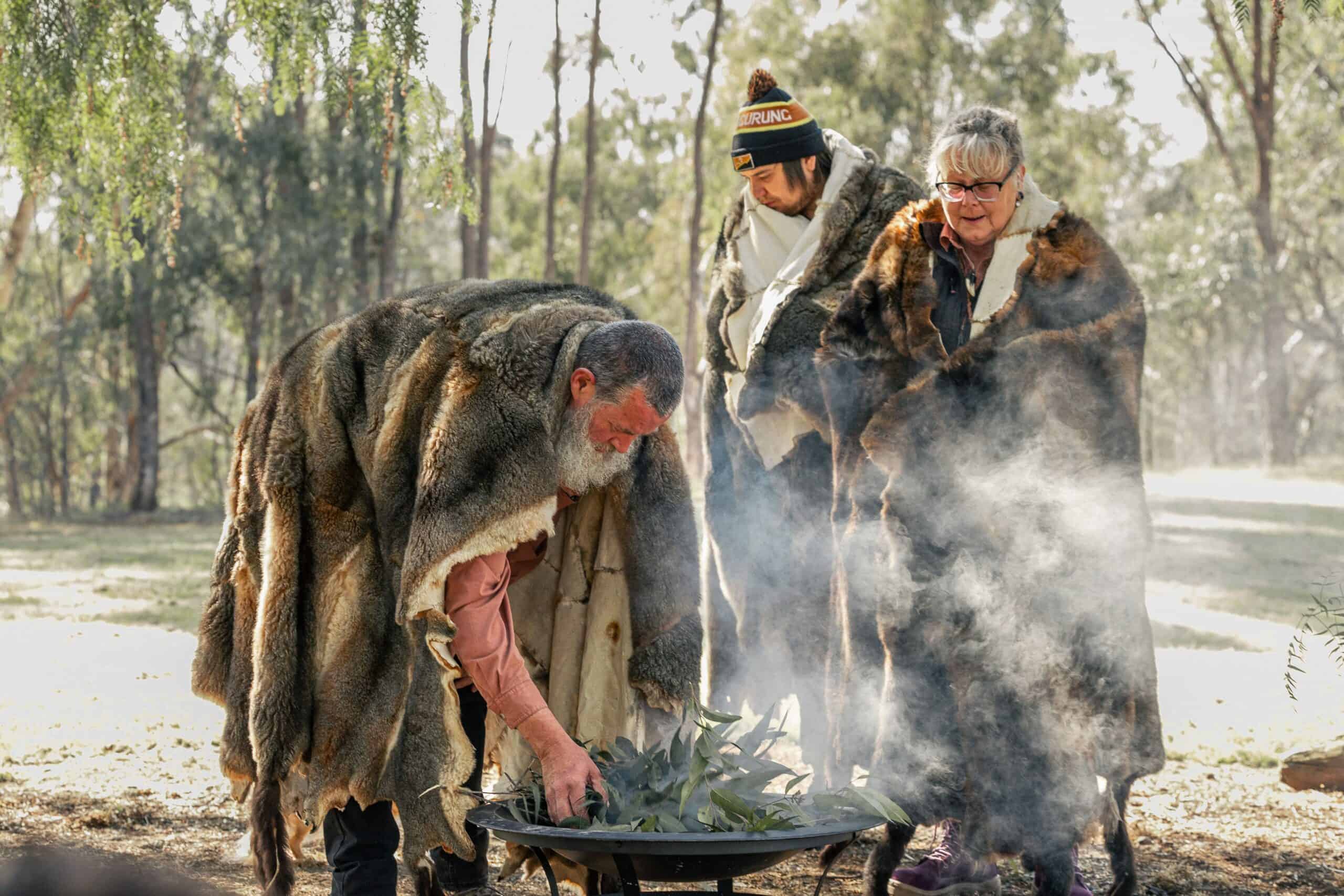
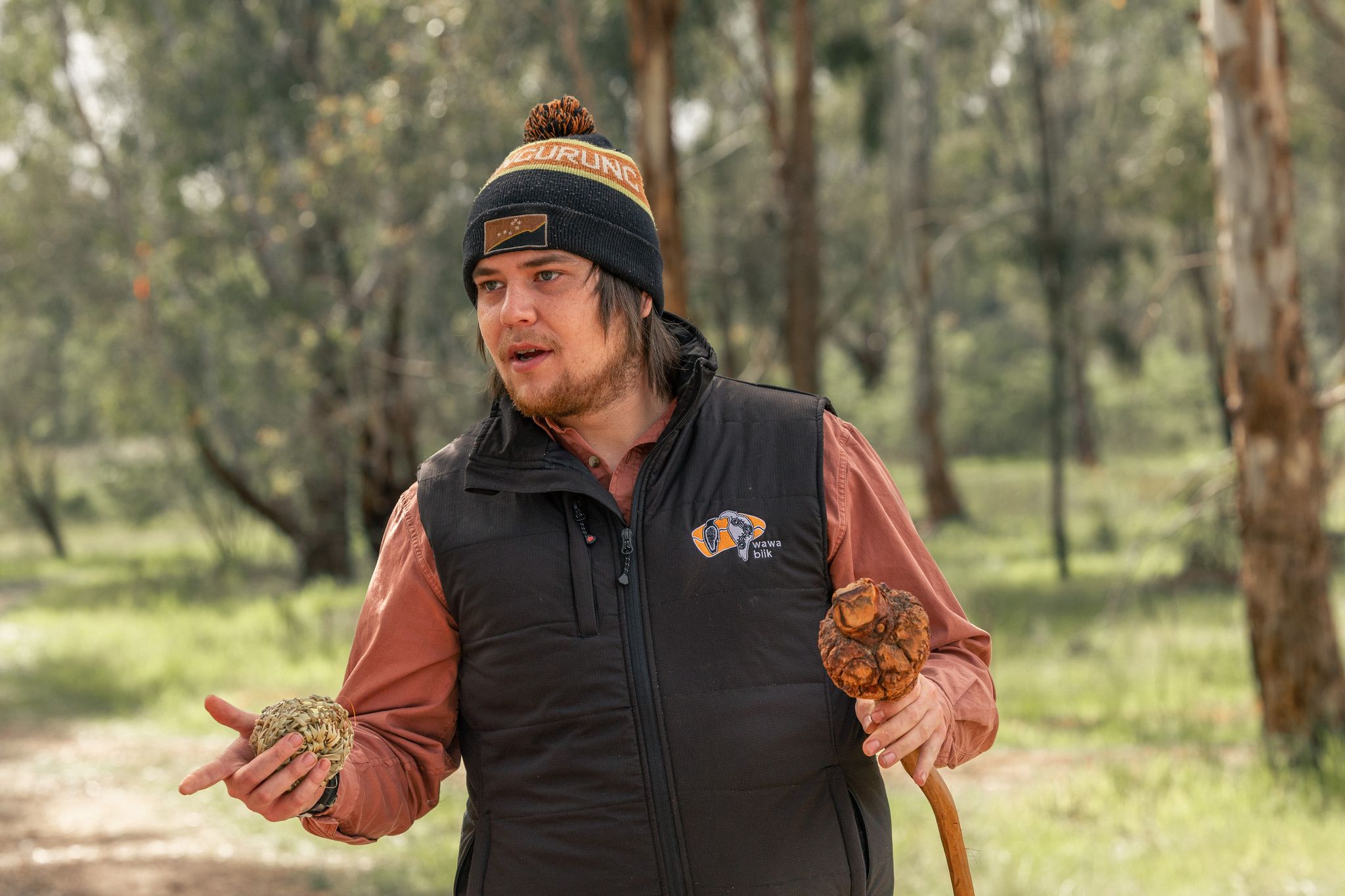
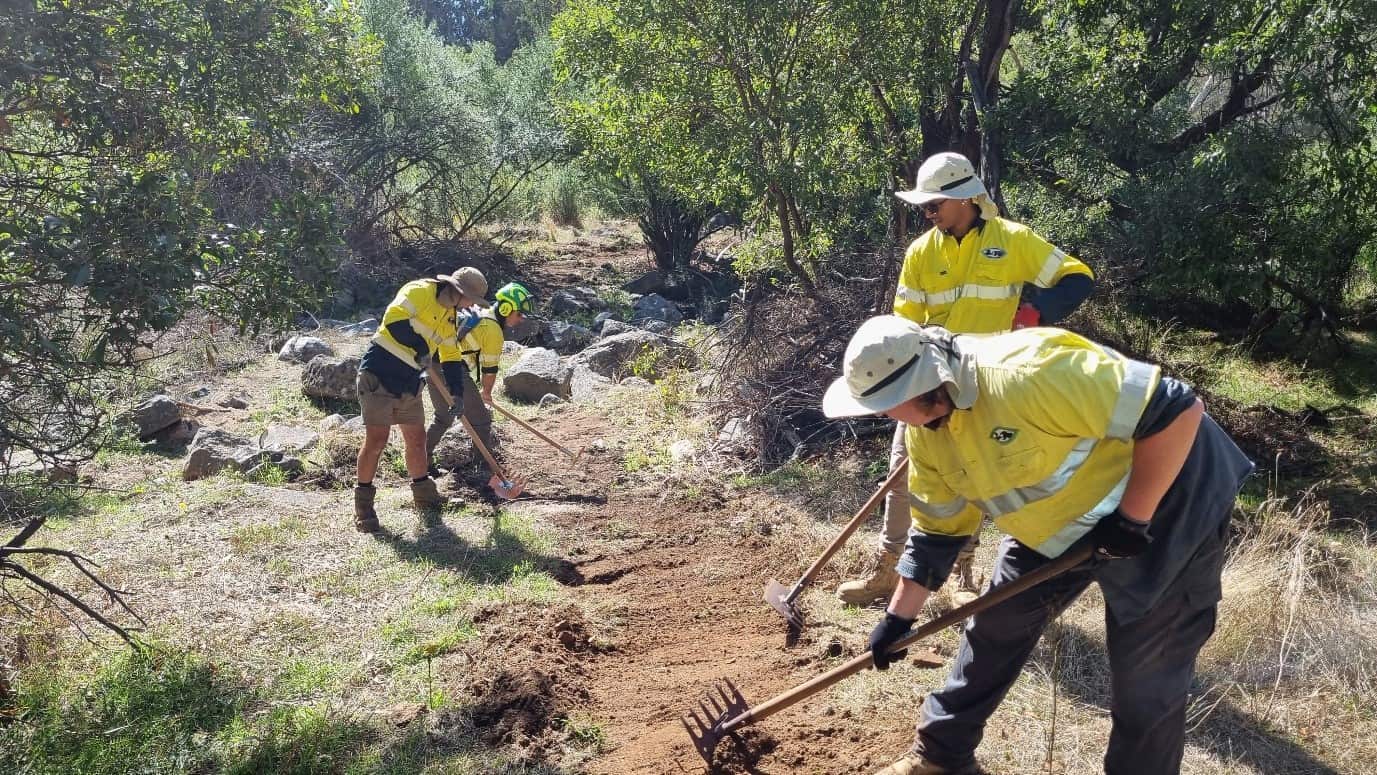
Many people who are familiar with Taungurung Land and Waters Council (TLaWC) – the recognised Aboriginal Party for the Taungurung Nation – will know that we have two businesses with similar names operating on Taungurung Country. wawa biik (meaning hello Country) is the cultural experiences business offering guided tours on Country led by Taungurung guides and  BIIK is TLaWC’s natural resource management business that is actively healing Country.  BIIK undertakes a holistic approach to heal Country by integrating traditional knowledge led by the Taungurung Community with scientific methods.  Their aim is to revitalise Taungurung Country by addressing the underlying issues of unhealthy landscapes rather than just addressing the symptoms. We chat to BIIK Director Jason Laverty to understand more about the important work they’re doing on Country.
Birds of Taungurung Country

Where would we be without birds? Not only do they bring happiness and joy to our lives but they provide so many benefits to our ecosystems and are crucial to our survival. Birds are great indicators of healthy Country.  They respond early to any changes to habitats and can give us warning signs about impacts of climate change.  Preserving our native bird species and their habitats is so important.

Birdlife Australia runs an annual Aussie Bird Count to inspire everyone to take notice of our little feathered friends and get familiar with bird movements.  As they say, noticing birds is the first step towards caring about them – and where conservation begins. Here on Taungurung biik we have so many landscape types and therefore so much birdlife to understand and protect. Big shout out to our BIIK crew and all our land manager partners who are actively monitoring the wildlife and restoring vital habitats. Here’s our list of birds and bird related stories you need to know about:

wawa biik congratulates the Euroa Arb on the arrival of their newest invertebrate residents.

The Taungurung community has partnered with the Euroa Arboretum for many years and wawa biik is fortunate to access this special place for cultural education experiences.

The Strathbogie landscapes have been severely altered by colonisation. Ever since the late 1990s when the Euroa Arb started putting native plants back into the degraded soil, they have been driven by a clear and urgent purpose: grow back the bush.  By cultivating healthy grassy woodlands and starting up a native seed production facility, they have been leaders in landscape restoration projects both at the Arb and across the State, creating healthy habitats for wildlife and us humans!  

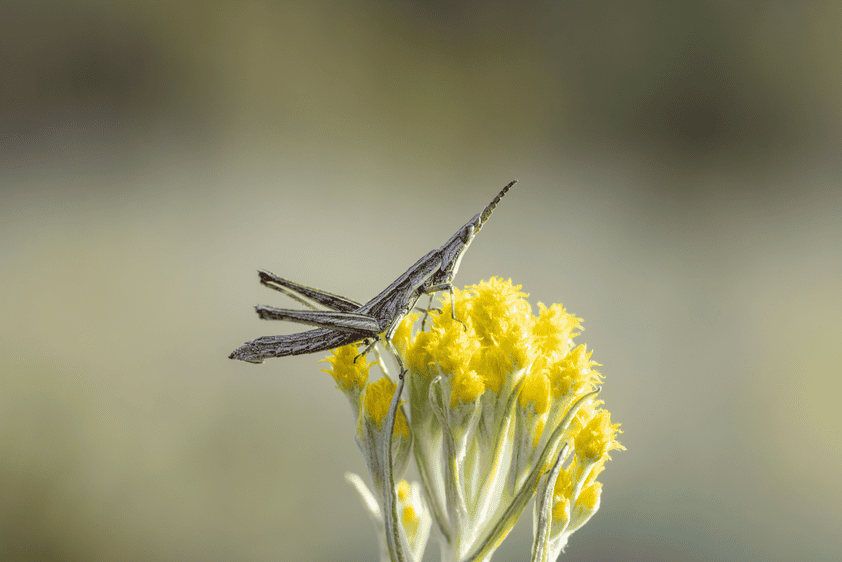
Now, 30 years on, the team at the Arb are proud to offer their protected grasslands as a refuge for the threatened Key’s Matchstick Grasshopper – a species thought to have been extinct until their rediscovery in 2018. 

One hundred of these endangered grasshoppers have been relocated to the Euroa Arboretum thanks to a recovery trial led by the University of Melbourne, Zoos Victoria, Euroa Arboretum and the Taungurung Land and Waters Council.  With access to tussock grasses and native daisies for food and shelter, it is hoped these grasshoppers will successfully breed to secure their survival.  

Chatting with Bronte Haines who works at the Arb, she says “ I am delighted to welcome the Matchstick grasshoppers to the grounds. This year I notice more insects than I have before. Gum-leaf grasshoppers, Small Grassland Yellow butterflies, and Caper White butterflies are currently enjoying the grasslands. Knowing we are stewards for a threatened species, means we naturally take more species under our wing”.

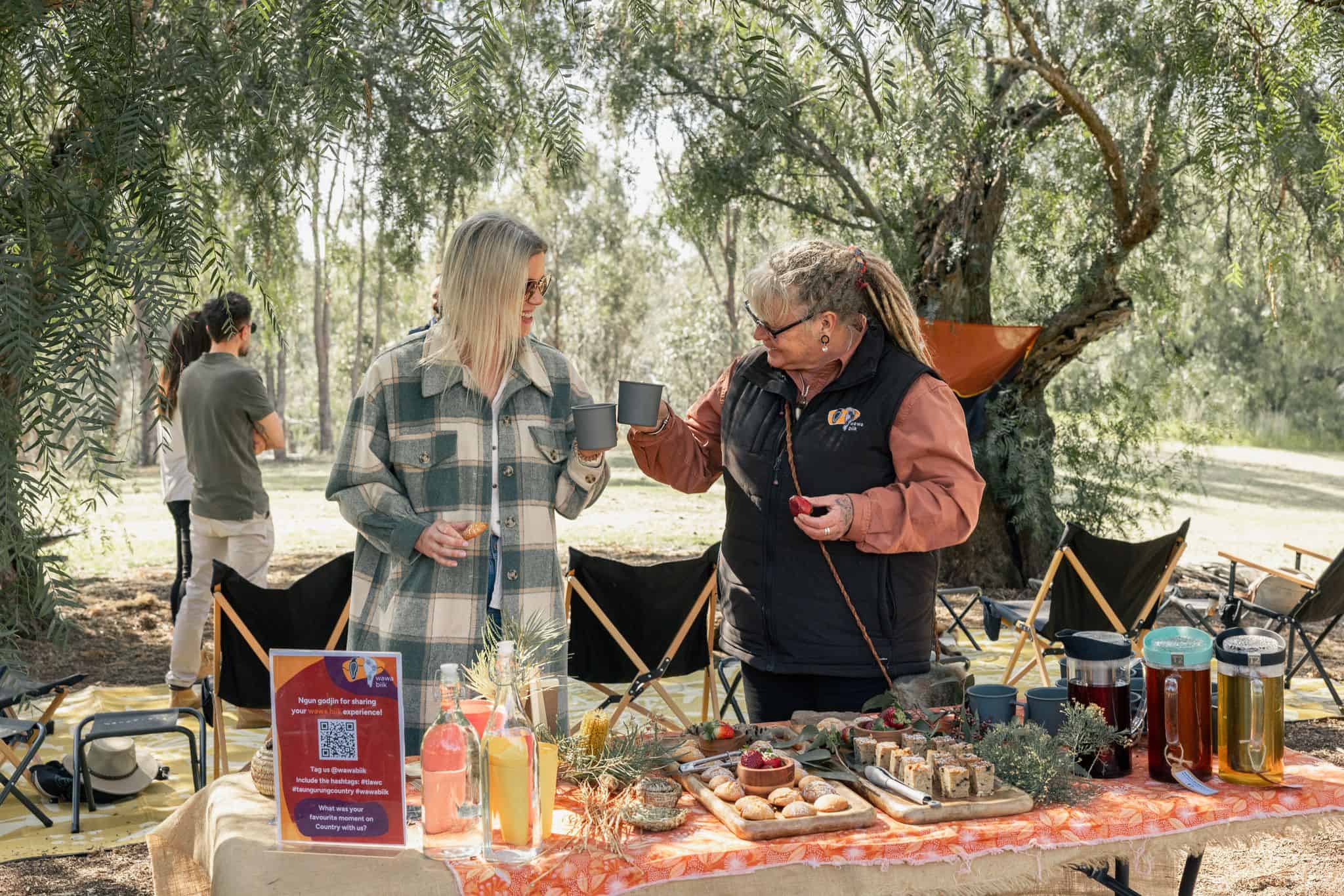
wawa biik attended the official release of the grasshoppers at the Arb in September.  A lovely, nature-loving crowd of project staff, volunteers, and local community gathered under the picnic shelter with a cuppa and cake to celebrate the big arrival. Kids rattled the grasshopper containers keen to catch a glimpse of these tiny critters.  Zoos Victoria staff generously answered questions and provided educational information to help everyone learn and care about these precious new residents. It was evident just how important this nurtured pocket of Country is for the local community. The release of this grasshopper will hopefully encourage more people to care for this much-loved habitat haven for years to come.

wawa biik offers regular guided tours at the Euroa Arboretum on our wawa Euroa and wawa Euroa wayilak experiences. We will provide our guests with updates about the Key’s Matchstick Grasshoppers on all tours. 

For more information regarding the Keys Matchstick Grasshopper, go to Key’s Matchstick Grasshopper (zoo.org.au)

Keep the Fire Burning! Blak, Loud and Proud!

Whether you are a First Nations person or a First Nations ally, the 2024 NAIDOC theme is a call to action for us all.  We share a few reflections from our Taungurung community and staff to find out what this year’s theme means to them. Solidarity and passion shows up in many forms, it is what keeps the fire burning.

10 ways to be a Taungurung ally this National Reconciliation Week

It doesn’t matter where you are on your ally journey, all that matters is that you’re on the journey. There are so many ways to be a great ally and it’s important to know that all First Nations communities are different and will have a different perspective on what a great ally is. National Reconciliation Week is a time for allies to stand up and take time for self-reflection, conversations, and meaningful actions towards creating an inclusive and culturally safe society where First Nations’ rights, culture and values are recognised, respected, and celebrated.  

We encourage you to rally up your workmates, family or friends and make a shared commitment to be an ally for the Taungurung Nation.

The first step is taking responsibility for growing your cultural literacy. Here’s how:

Cultural Heritage – “It’s still here and so are we” – a yarn with Jonah

Jonah Honeysett is a proud Taungurung /Wiradjuri man of the Nira-balluk clan who considers himself lucky to have grown up knowing about his culture, immersed in his culture, and learning about his culture from his Aboriginal parents and grandparents. It’s Jonah’s strong upbringing and sense of cultural identity that has inspired him to work for his mob and be part of the next wave of Taungurung People passionately protecting Taungurung culture. Jonah works for the Taungurung Land and Waters Council (TLaWC) as a cultural heritage field services officer and also contributes his passion and knowledge as a wawa biik Cultural Tour Guide.
“It’s not Aboriginal heritage, it’s Australia’s Heritage” – a yarn with Ashley.

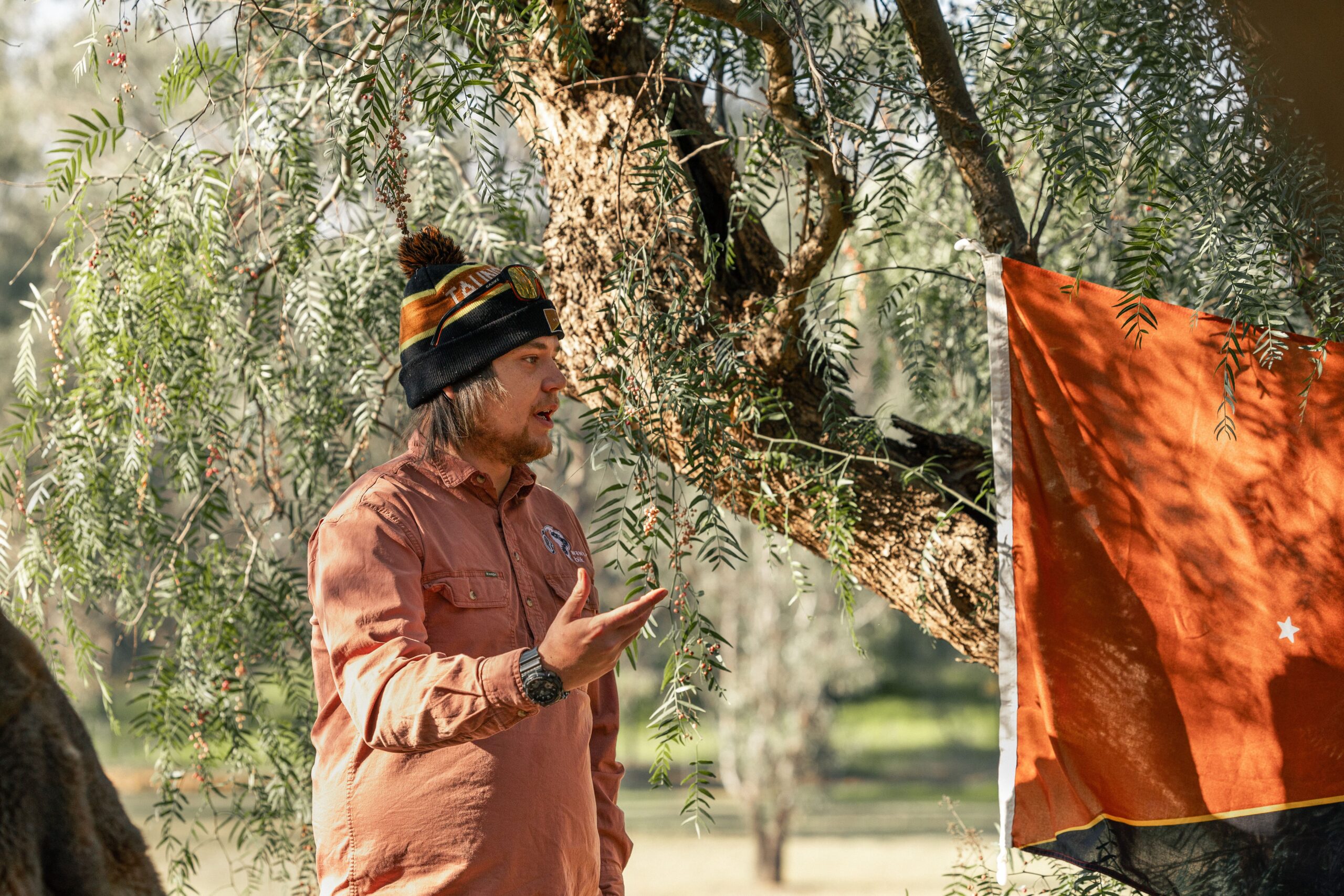
Ashley Wilkinson is a proud Taungurung man of the Yeerum-Illiam-Balluk clan, which is below the Benalla and Mansfield area. Ash works as a Field Service Officer conducting cultural surveys and is also a wawa biik guide. We yarn with Ash to learn more about his perspectives regarding cultural heritage. It’s well worth pulling him aside for a yarn on our wawa biik tours too as he’s got some great insights to share.

Cultural Heritage – an Elder’s perspective (Uncle Shane)

As a Taungurung Elder who has worked for his mob for two decades doing cultural surveys, Uncle Shane could probably write a book about what he’s seen and experienced out there in the field. Protecting cultural heritage is core to the work of any Custodians of Country and is a responsibility that is directly overseen by Elders. This is challenging work that can bring both highs and lows as Traditional Owners navigate the bureaucracy to safely locate, document, and protect items that help piece together the story of their People and their Culture, spanning thousands of years. Many people in the wider community know little about Aboriginal cultural heritage to be found anywhere in Victoria; nor their responsibilities under the Aboriginal Heritage Act or the immense work that goes on behind the scenes to retrieve and protect Aboriginal culture for future generations.  In this yarn with Uncle Shane, he helps us to understand how cultural heritage protection works in Victoria. His wish is that we get more people to value Aboriginal cultural heritage just as much as they seem to value the European heritage of Australia so that the Taungurung story and Culture is protected and celebrated.

What is ICIP (Indigenous Cultural and Intellectual Property)?

Tourism is all about sharing stories and knowledge with visitors. However, when it comes to sharing cultural stories or knowledge (through tourism or art or other forms of expression), there are limitations and cultural protocols that need to be understood and respected by both Taungurung People and those engaging with the content being shared.  

ICIP is something that all First Nations communities are determined to protect. This stems from the devastating impact of colonisation, when First Nations People were separated from their land, their families, their languages, their lores and their way of life, leaving ripple effects still felt today. First Nations people are slowly trying to heal these cultural connections but have never lost ownership of them. They have the legal right to protect their culture and be in control of how their knowledge is used. wawa biik has set out some guidelines to help our visitors understand what ICIP is and remind people of the importance of helping us keep Taungurung culture safe and strong for future generations. This includes seeking permission if re-producing any aspect of our cultural experiences or knowledge for commercial or promotional purposes.

We don’t want these ICIP protocols to deter people from listening, engaging and sharing what they learn with friends and family – quite the contrary, we want you to tell people about your wonderful wawa biik experience but respectfully consider what you share and how you share it. ICIP protocols are about acknowledging the enormous challenges faced by all First Nations communities to protect their culture, and with this comes the extra incentive to deeply listen and learn from cultural stories that are generously shared with you, knowing that the act of listening is also contributing to healing. If you’re in doubt about what you can and can’t share, or have queries about ICIP, please ask us.

View our ICIP protocols and our wawa biik Booking T&Cs for more information.